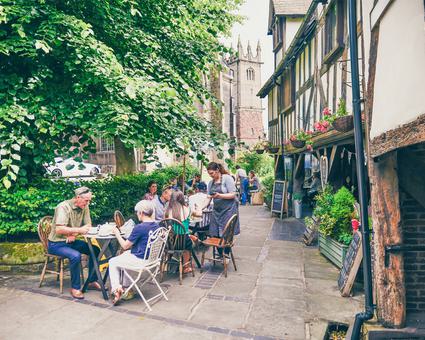



SY1 Shrewsbury: One of the 10 Coolest Postcodes to move to in 2024
Sunday Times Style Magazine has named Shrewsbury one of its '10 coolest postcodes to move to in 2024' – "a half-timbered beauty awash with independents." We couldn't agree more!
Search all our events
Explore
Shrewsbury

Abbey Foregate

Bear Steps

Castle Quarter

Coleham

Frankwell

Mardol, Roushill & Smithfield Road

Pride Hill & The Darwin Centre
Shoplatch, Claremont Street & Mardol Head

St Mary's & Dogpole

The Square, High Street & Milk Street
West End

Town Centre

Shrewsbury Business Parks

Wider Shrewsbury Area
Wyle Cop
so many places to see
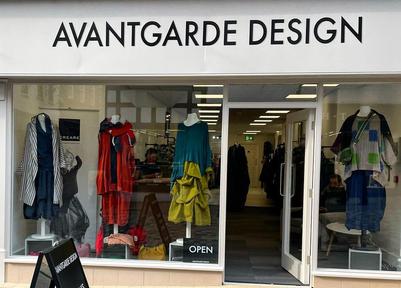
Avantgarde Design
A clothing store selling innovative, cutting-edge fashion from predominantly German designers. Expect bold prints on high-quality textiles in…
Open Today 9:30AM - 5:30PM

Shrewsbury Colleges Group - English Bridge Campus
Shrewsbury Colleges Group has highly successful A-Level campuses known as 'Welsh Bridge Campus' and 'English Bridge Campus' as well as offering…

Coleham Pumping Station
The Victorian chapel-like building on the bank of the River Severn in Shrewsbury in fact houses two steam-driven beam engines which pumped sewage…

Pandora
The Pandora story is about a company with a distinctive brand and distinctive products that in just a few years has made the exceptional journey from…
Open Today 9:00AM - 5:30PM
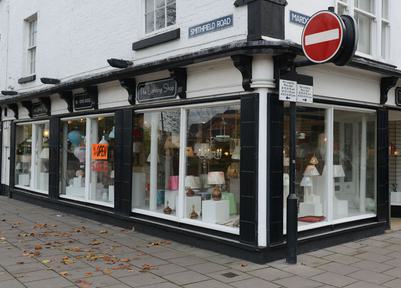
The Lighting Shop
The Lighting Shop really does do exactly what it says on the tin! The store on Mardol sells a range of wall lights, lampshades, ceiling lights and…
Open Today 9:30AM - 5:30AM
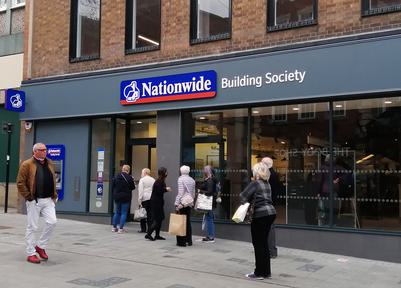
Nationwide Building Society
Nationwide is the world's biggest building society, one of the country's largest savings providers, and a top three mortgage provider. It offers a…
Open Today 9:00AM - 4:30PM
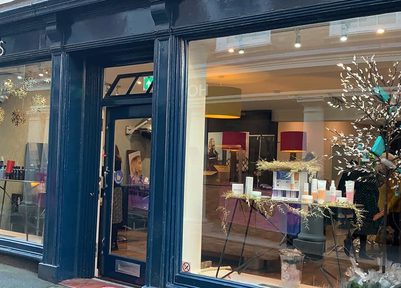
Brown's
Brown's hairdressers have many years' experience in providing a range of salon services to men, women and children alike. Services include hair cuts,…
Open Today 9:30AM - 4:00PM

The Peach Tree
The Peach Tree is situated directly opposite the historic Shrewsbury Abbey - a real Shropshire gem. You'll find the Peach Tree a relaxing…
Open Today 9:00AM - 5:30PM
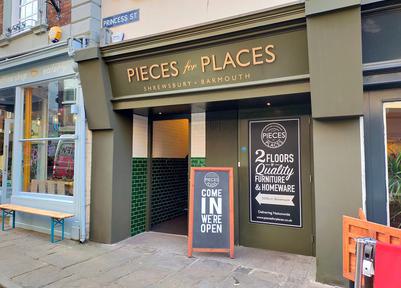
Pieces for Places
Pieces for Places is a furniture and homeware store located in Shrewsbury's historic town square. Based in a restored Victorian Temperance Hall, we…
Open Today 9:30AM - 6:00PM
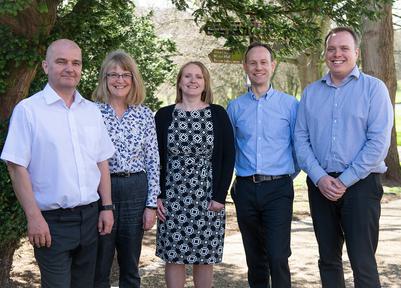
TCA Accountants
TCA is a firm of accountants based in Shrewsbury, Shropshire. We offer comprehensive accounting, tax and business advisory services to businesses and…
Open Today 8:30AM - 5:00PM
latest features

Posted 11 April 2024
Best of the Fest: What Not to Miss at Loopfest 2024
Loopfest volunteer David Molby tells us about a few of the bands he's most excited to welcome to this year's three-day festival bonanza.

Posted 5 April 2024
Autism-Friendly Shrewsbury: Nerdy and Beyond
This Autism Acceptance Week, we hear from Nerdy and PACC Shropshire about autism friendly spaces in Shrewsbury.

Posted 3 April 2024
Spend an Enchanted April in Shrewsbury
As the days warm and the nights shorten, April has lots to offer. Get outdoors or hit the town for a huge array of spring events.


Join our newsletter
From inspiring articles to new businesses and exciting events, get the best of Shrewsbury delivered directly to your inbox every month with the Original Shrewsbury newsletter!
Follow us on Instagram


